
Why Patients from Around the World Choose Germany
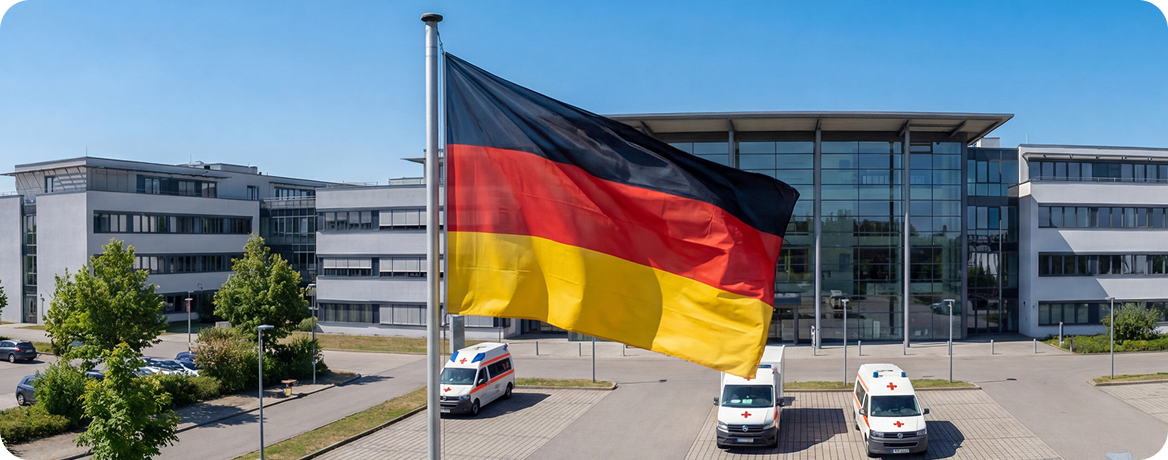
For many years, Germany has remained one of the key destinations for patients seeking accurate diagnostics and well-considered medical decisions. People come here not only for treatment but also for understanding their situation, especially in complex and ambiguous cases, clinical standards, and an approach where medical decisions are made not based on a single conclusion but after a comprehensive evaluation.
German medicine is chosen by patients from various countries, including Europe, the Middle East, Asia, and CIS countries. Among them are entrepreneurs, public figures, and representatives of culture and science. Most often, this information is not publicized, but the very fact of seeking care at German clinics has long become an unspoken marker of trust.
Why the German Approach Is Different
One of the key features of the German system is the multi-stage diagnostics and collegial approach to decision-making. In university hospitals and specialized centers, complex cases are reviewed interdisciplinarily. This reduces the risk of errors and allows for a complete clinical picture. A second medical opinion in Germany often becomes not a formality but a full-fledged revision of the diagnosis and treatment plan.
German Medical Concierge Practice: A Real Clinical Example
In our practice, we regularly encounter situations where initial examination results obtained in other countries do not provide a complete picture of the disease. In one recent case, a patient contacted us to obtain a second medical opinion in Germany. Within a short time, an appointment was arranged at Charité University Hospital with a professor specializing specifically in her diagnosis. During additional examination, different results were obtained than before. A decision was made to perform a repeat biopsy and histological analysis. This allowed for adjustment of the further treatment strategy. As a result of the data review, it became clear that the primary stage of treatment should be systemic therapy rather than surgical intervention. Such a decision directly affects the prognosis and quality of further treatment.
Another clinical case from our practice concerns orthopedics. A 71-year-old patient had been experiencing severe pain in the hip area for almost two years. In her home country, she was repeatedly told about sciatic nerve inflammation or spinal problems. The diagnosis did not change despite increasing pain and limited mobility. Over time, the patient found it difficult not only to walk but also to sit. Only after a long time was she diagnosed with severe stage three coxarthrosis caused by pronounced hip joint deformation. Upon contacting German Medical Concierge, the patient did not expect that within a short period, an appointment would be arranged at Charité University Hospital at the Center for Musculoskeletal Surgery with a specialized professor. After examination, a decision was made regarding surgical treatment.
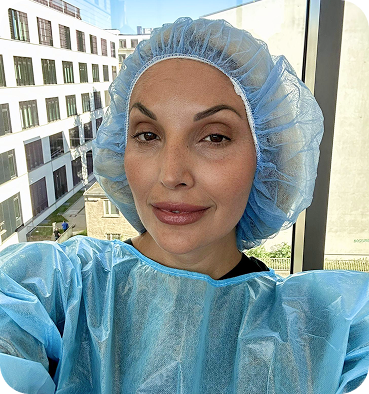
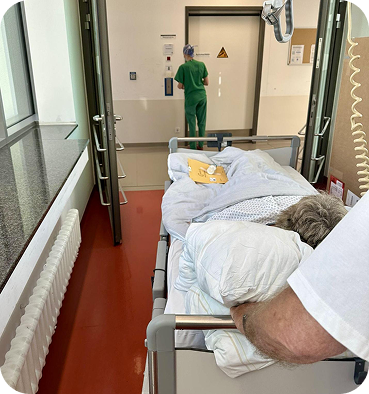
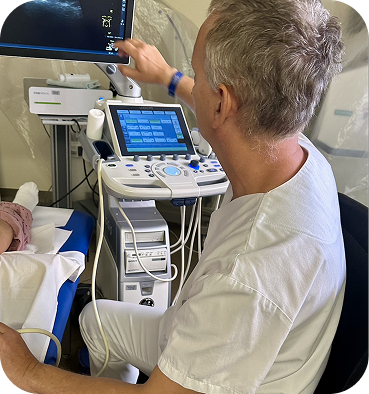
The hip replacement surgery was successful. The very next day after the procedure, the patient began to stand and walk, and full recovery took several months. Rehabilitation was organized at a specialized private center in Berlin.
Both examples show that the key value of German medicine lies not only in technology but also in the approach. The diagnosis is refined until the picture becomes clear, and treatment is prescribed based on actual indications rather than assumptions. This is why patients from around the world choose Germany in situations where quality of life and long-term results are at stake.
This is a choice in favor of a system where diagnostics and treatment are built on evidence-based medicine, clinical experience, and collective expertise. German Medical Concierge accompanies patients on this journey, helping to establish communication with clinics and specialists in Germany and providing medical navigation in complex cases.