
The Berlin Patient: How a Clinical Decision in Germany Changed the History of HIV Treatment

For decades, HIV was considered a chronic disease that could be controlled but not completely eliminated. Modern antiretroviral therapy allowed for viral load suppression to undetectable levels, but patients required lifelong medication. Complete cure was considered impossible.
It was in Germany that a case occurred which first challenged this assumption.
CLINICAL HISTORY
The so-called “Berlin Patient” is Timothy Ray Brown, an HIV-positive patient who, in 2006, underwent hematopoietic stem cell transplantation at a university clinic in Berlin due to acute myeloid leukemia.
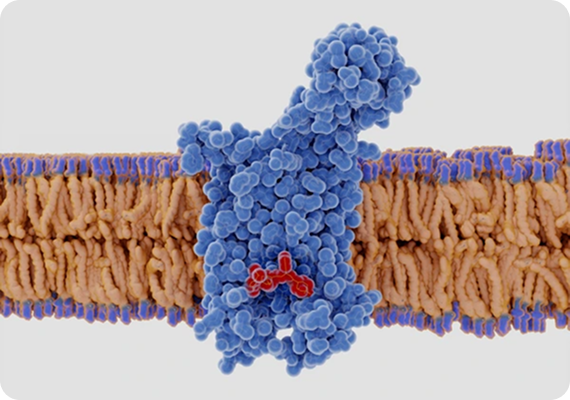
His attending physician, hematologist Gero Hütter, made a fundamentally important decision: to select a donor with a rare CCR5-Δ32 genetic mutation. This mutation makes immune cells resistant to most strains of HIV, as the virus cannot effectively enter cells without a functional CCR5 receptor.
After the transplantation, the patient discontinued antiretroviral therapy. Years of observation confirmed a stable remission without medication support. This was the first documented case of functional HIV cure.

WHY THIS WAS A BREAKTHROUGH
Until that moment, it was believed that HIV persisted in hidden reservoirs in the body and could not be completely eradicated. The case in Berlin demonstrated several key findings:
- The virus can be eliminated by completely replacing the immune system with cells resistant to infection;
- The CCR5 receptor plays a key role in the mechanism of viral entry;
- An interdisciplinary approach can change the treatment strategy even in situations where there is no standard solution.
The transplantation method did not become a universal HIV treatment due to its high complexity and risks. However, it proved that the virus is not invincible. Later, other cases of remission were recorded—in London, Düsseldorf, and again in Berlin—confirming the reproducibility of the concept under certain conditions.
This case was not accidental. Germany has long held leading positions in transplantation, hematology, and clinical virology. The country's university hospitals traditionally work on the model of interdisciplinary consiliums, where decisions are made at the intersection of specialties.
A strong scientific base, access to donor registries, advanced transplantation infrastructure, and a culture of clinical responsibility made it possible to implement a solution that required both medical precision and scientific courage.


The story of the “Berlin Patient” is not an example of random luck. It is the result of a high-level systemic medicine.
Over the past decades, Germany has secured its status as one of the centers of European and world medicine.
This is facilitated by:
- an extensive network of university hospitals;
- active participation in international clinical research;
- strict clinical protocols and legal responsibility of the physician;
- high specialization and an interdisciplinary model for decision making.
Historical cases like the “Berlin Patient” confirm not only the level of technology, but also the depth of clinical thinking. It is precisely such cases that build trust in the system.
The story of the “Berlin Patient” has become a symbol that even in relation to diseases previously considered incurable, medicine can move forward through systematic work, a scientific base, and precise clinical decisions. Germany has long been a leader in the field of complex clinical medicine. This is confirmed not by advertising claims, but by real cases that have gone down in history.

When choosing a country for treatment, it is important to focus on a system that has proven its ability to handle the most complex clinical challenges.
German Medical Concierge guides patients on their path to treatment in leading clinics in Germany, providing professional medical navigation, organizing consultations, and facilitating interaction with specialized experts.