
BioNTech and Vaccines: Germany's Contribution to the Medicine of the Future
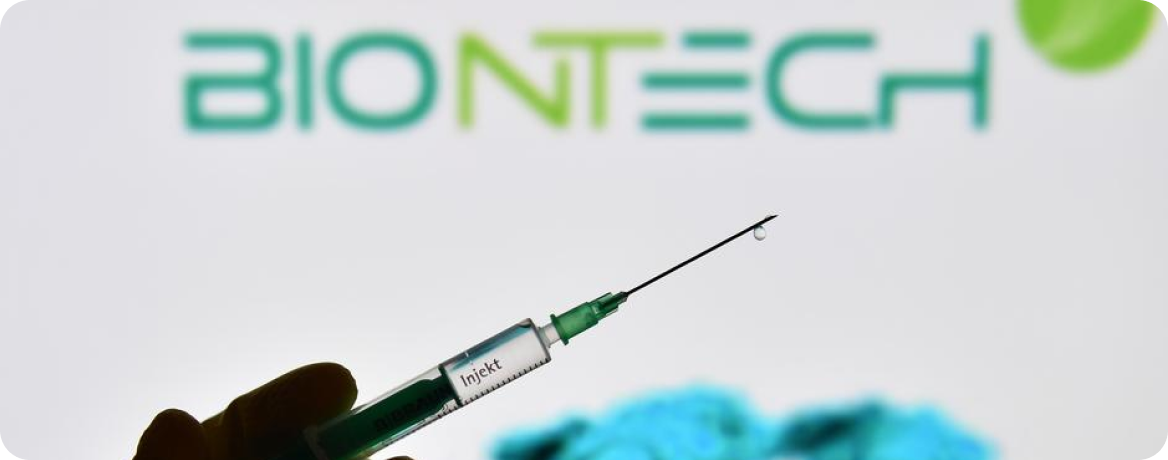
The development of modern medicine is increasingly linked not to individual drugs, but to technologies that change the very approach to treating and preventing diseases. One such technology is the mRNA platform developed by the German company BioNTech. It became the foundation for creating next-generation vaccines and opened up possibilities that until recently seemed experimental.
The story of BioNTech is not just about the success of a specific vaccine, but an indicator of the role Germany plays in global biomedical science and the development of innovative treatment methods.
How mRNA Technology Emerged and What Makes It Different
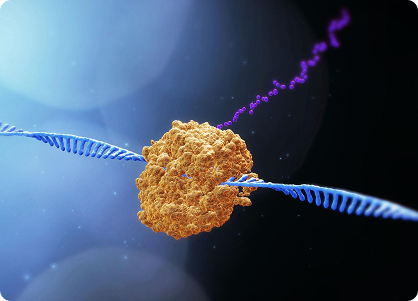
BioNTech's work is based on the idea of using messenger RNA as a tool to activate the immune system. In classical vaccinology, a weakened or inactivated virus is used. mRNA vaccines work differently.
The body receives genetic "instructions" based on which cells temporarily synthesize a specific protein. The immune system recognizes it as "foreign" and forms a protective response. This way, immunity is created without introducing the virus itself.
The main advantage of this approach lies in its flexibility and speed. The technology allows vaccines to be adapted to new viral strains significantly faster compared to traditional methods. This became a key factor during the pandemic.
BioNTech's Breakthrough During the COVID-19 Pandemic
BioNTech gained widespread recognition thanks to developing one of the first effective mRNA vaccines against COVID-19 in partnership with Pfizer. However, it's important to understand that this result came from more than twenty years of work by the company, based in Germany with years of research. Before the pandemic, the company was already actively working with mRNA technologies, primarily in oncology. The accumulated scientific data and ready platform allowed for a rapid transition from laboratory development to clinical application.
In fact, the pandemic became the moment when experimental technology received global implementation and proved its effectiveness in real-world conditions.
BioNTech developers were awarded one of Germany's most prestigious scientific prizes, which recognized their contribution to the development of medicine and biotechnology. This reflects not only the success of a specific company, but the strength of the entire scientific system. Germany traditionally invests in fundamental science and creates conditions for biotechnology development. The country has formed an environment where scientific discoveries don't remain at the laboratory level but move to clinical application. This model allows Germany to stay one step ahead in global medical challenges.
From Vaccines to Personalized Medicine
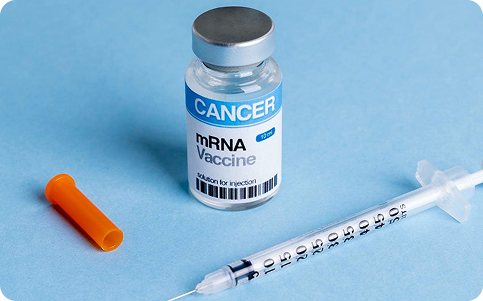
Originally, BioNTech developed mRNA technologies for treating oncological diseases. The main idea is to train the immune system to recognize and destroy tumor cells. Unlike standard therapy, this approach can be personalized. This means treatment is selected taking into account the characteristics of a specific tumor and the patient's body. Today, many of these developments are at the clinical research stage, but they are already shaping the direction of modern oncology.

Why mRNA Technologies Are Changing Medicine
The technologies developed by BioNTech open up fundamentally new possibilities. They allow for faster responses to epidemics, creation of more precise and adaptable vaccines, as well as development of new methods for treating chronic and oncological diseases. This is not about temporary solutions, but a platform that will define the development of medicine in the coming decades.
The story of BioNTech shows that the key factor is not just scientific discovery, but the system in which it emerged. A strong university base, integration of science and clinical practice, research funding, and cooperation between government and private structures – all this makes such breakthroughs possible. This is why Germany remains one of the leading countries in medical technologies and innovative treatment methods.
The Role of German Medical Concierge
For patients, access to such technologies is directly connected to the ability to get into the right medical environment. It's not enough to simply choose a country or clinic. It's important to understand which specific clinics and specialists organize diagnostics and support the patient at all stages of treatment. This is especially important when dealing with new methods that require precise selection and coordination.
BioNTech is an example of how fundamental science transforms into practical medicine and affects the health of millions of people. For those planning treatment in Germany, it's important not just to know about such achievements, but to have access to specialized specialists and procedures that meet the most modern standards. This is what helps turn the possibilities of science into real solutions to patient problems, gaining maximum benefit from German medical achievements.
And Germany remains one of the key countries where these changes are happening, setting the direction for the development of the entire global medical system.